
Understanding the difference between copywriting and copyright is essential for any modern tech business. Many founders mistakenly use these two terms interchangeably during marketing meetings. However, these concepts represent entirely different disciplines within your organization. Copywriting generates revenue through persuasive marketing text. Conversely, copyright protects that valuable text from intellectual property theft.
Therefore, mastering this distinction will save you significant time, money, and legal headaches. You cannot effectively scale a tech company without utilizing both of these critical business elements. Let us explore exactly how these two concepts function in the digital landscape. Ultimately, you will learn how to leverage both to protect and grow your brand.
Why the Difference Between Copywriting and Copyright Matters
First and foremost, using the wrong terminology can lead to disastrous business decisions. For instance, a startup founder might ask a marketing agency to “copyright” their new website. Consequently, the agency might decline the project, assuming the founder needs an intellectual property lawyer. This simple miscommunication stalls vital product launches and marketing campaigns.
Furthermore, understanding the difference between copywriting and copyright helps you allocate your budget correctly. You must hire creative professionals to write your sales materials. Meanwhile, you must hire legal professionals or use government portals to secure your intellectual rights. Mixing up these roles inevitably leads to poorly written ads or unprotected software code.
In addition, search engines heavily scrutinize the authority of your digital content. If you publish copied content without legal ownership, you risk massive SEO penalties. Therefore, knowing how to create original copy and legally protect it ensures long-term organic growth.
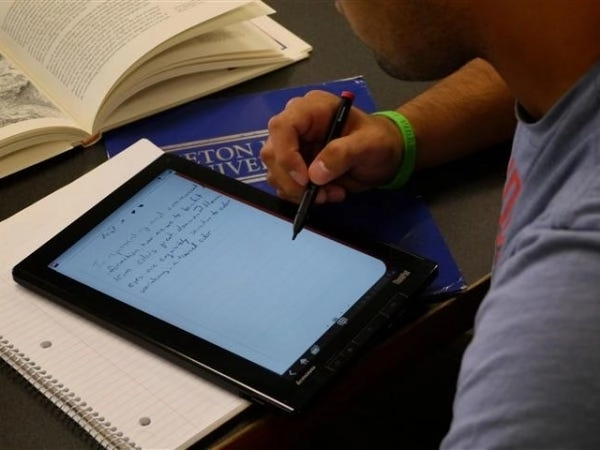
What is Copywriting in the Tech World?
Essentially, copywriting is the strategic art of writing text that persuades readers to take a specific action. In the tech industry, this action usually involves clicking a button, downloading a trial, or purchasing software. Therefore, every single word serves a measurable, revenue-generating purpose. Copywriters focus exclusively on human psychology, user experience, and digital sales conversions.
For example, the text on your SaaS pricing page is a prime example of copywriting. The writer carefully structures the benefits to convince hesitant buyers to upgrade their subscription. Similarly, the engaging subject line in your email newsletter relies heavily on persuasive copywriting techniques.
Consequently, great copywriters spend hours researching your target audience’s pain points. They craft compelling narratives that position your tech product as the ultimate solution. While they write words, their true job is generating qualified leads and maximizing your marketing ROI.
Driving Action and Conversions
Ultimately, copy is measured by its conversion rate, not its literary beauty. A well-written landing page can drastically lower your customer acquisition costs. Furthermore, highly optimized Facebook ad copy will generate significantly more clicks for your tech startup.
What is a Copyright for Digital Assets?
Conversely, a copyright is a legal designation that grants the creator exclusive ownership of their original work. When you write a piece of code, record a podcast, or design a logo, you automatically generate a copyright. This legal framework prevents unauthorized competitors from stealing, copying, or profiting from your intellectual property.
Therefore, copyright has absolutely nothing to do with writing sales text or marketing materials. Instead, it serves as a protective legal shield for your creative and technical assets. In the United States, you can formally register these rights with the federal government to gain enhanced legal leverage.
For instance, if a rival tech company steals your proprietary software algorithm, copyright law empowers you to sue them. Similarly, if a competitor copies your blog posts word-for-word, your copyright allows you to issue a swift takedown notice.
Protecting Your Intellectual Property
According to the U.S. Copyright Office, copyright protects original works of authorship fixed in a tangible medium of expression. This includes literary works, computer software, and architectural designs. Consequently, you must prioritize intellectual property protection just as highly as product development.

The Core Difference Between Copywriting and Copyright Explained
To clarify this topic completely, we must break down the exact functions of each term. The fundamental difference between copywriting and copyright lies in their primary objectives. Copywriting creates the marketing message, whereas copyright protects the ownership of that message. One builds your audience; the other guards your assets.
Secondly, anyone with strong writing skills and marketing knowledge can execute effective copywriting. You do not need a specific license to write a high-converting email sequence. However, copyright is a strict legal concept enforced by federal laws and international treaties. You must navigate specific legal frameworks to fully enforce your copyright protections.
Moreover, copywriting is an ongoing, dynamic process that requires constant testing and iteration. You will frequently update your website copy to match changing consumer trends. Conversely, a copyright is a permanent legal status that typically lasts for the creator’s entire lifetime plus 70 years.
Creation vs. Legal Protection
Let us look at a practical tech example to highlight this contrast. A copywriter drafts the engaging script for your new software explainer video. That is copywriting. Once you record that video and publish it online, you legally own the rights to the video. That is copyright.
How Copywriting and Copyright Work Together
Despite their distinct definitions, these two concepts frequently overlap in successful business operations. You must use persuasive copy to sell your tech products effectively. Subsequently, you must use copyright law to ensure competitors cannot steal that winning copy. They work hand-in-hand to build a defensible, profitable brand.
For example, imagine you hire an expert to write a comprehensive, 50-page eBook about cybersecurity. The writer uses advanced copywriting techniques to make the technical content engaging and highly readable. Consequently, the eBook generates thousands of valuable email leads for your business.
Because this eBook is highly successful, a competitor might try to steal and republish your content. Fortunately, your registered copyright allows you to send a legal cease-and-desist letter immediately. Therefore, the true difference between copywriting and copyright highlights how creation and protection support one another.
Avoiding Infringement in Your Copy
Furthermore, professional copywriters must clearly understand basic copyright laws to avoid legal trouble. If a writer uses protected images or plagiarizes text in your marketing materials, your company faces severe liability. Therefore, ethical copywriters always create original content or use properly licensed materials.
Common Misconceptions About Copywriting vs Copyrighting
Many people still struggle with the phonetic similarity of these two words. When speaking aloud, “copywriting” and “copyrighting” sound exactly the same. Consequently, this phonetic overlap drives most of the confusion in corporate environments.
Another major misconception is that copywriters can register your business trademarks or patents. You should never ask a marketing writer to handle your intellectual property filings. They write the sales materials; they do not practice corporate law.
Additionally, some founders believe that adding a © symbol to their website automatically makes their copy convert better. Legal symbols offer zero marketing value to the consumer. Ultimately, only compelling, benefit-driven text will persuade a visitor to purchase your tech product.
Legal Protection for Your Sales Copy
Can you actually copyright your sales copy? Yes, absolutely. The moment your copywriter types out a new landing page and publishes it, that text is legally protected. Original marketing text qualifies as intellectual property under modern copyright law.
However, you cannot copyright short phrases, basic catchphrases, or generic business names. For example, you cannot copyright the phrase “Buy our fast software today.” The law requires a certain level of creative substance and originality to grant copyright protection. For short slogans, you would need to seek a trademark instead.
Therefore, understanding the difference between copywriting and copyright helps you navigate these nuanced legal waters. You will know exactly which marketing assets require legal registration and which ones do not. This targeted approach saves your startup valuable time and expensive legal fees.
Do You Need a Copywriter or a Lawyer?
Knowing exactly who to hire depends entirely on your current business goals. If your tech website struggles to convert visitors into paying users, you need a professional copywriter. They will analyze your audience, rewrite your headlines, and optimize your calls to action.
Conversely, if you recently discovered a competitor stealing your proprietary source code, you need an IP lawyer. The lawyer will enforce your copyright and pursue damages in court. Never hire a writer to do a lawyer’s job, and never hire a lawyer to write your sales pages.
Ultimately, successful tech companies maintain strong relationships with both types of professionals. The copywriter drives the top-line revenue through persuasive communication. The lawyer protects the bottom line by securing the company’s intellectual property rights.
Conclusion: Navigating the Legal and Marketing Divide
In conclusion, navigating the modern digital landscape requires a firm grasp of essential business terminology. While they sound identical, the difference between copywriting and copyright is massive. Copywriting is the creative engine that drives sales, user acquisition, and marketing success. Copyright is the legal fortress that protects your original creations from unauthorized use.
By understanding this crucial distinction, you empower your tech company to operate more efficiently. You will hire the right professionals for the right tasks and avoid embarrassing communication breakdowns. Furthermore, you will ensure your valuable marketing assets remain legally protected while they generate revenue.
Do you need help crafting persuasive, high-converting text for your software product? Contact our expert content team today to discuss your next big marketing campaign, and let us help you scale your business with powerful words!