
Digital marketing is the strategic use of internet-connected platforms to promote products, connect with customers, and drive revenue. Therefore, mastering this discipline is absolutely essential for modern tech companies and traditional businesses alike. Over the past decade, consumer behavior has shifted dramatically toward online channels. Consequently, brands must adapt to meet their audiences where they spend the most time.
In this comprehensive guide, we will explore the core pillars of internet marketing strategies. Furthermore, we will break down the exact steps you need to take to build a high-converting online presence. Ultimately, you will walk away with actionable insights to elevate your brand’s digital footprint.
Understanding the Basics of Digital Marketing
To truly grasp the concept, you must look at how brands communicate online today. Digital marketing encompasses all marketing efforts that use an electronic device or the internet. For example, businesses leverage digital channels such as search engines, social media, email, and websites to connect with current and prospective customers.
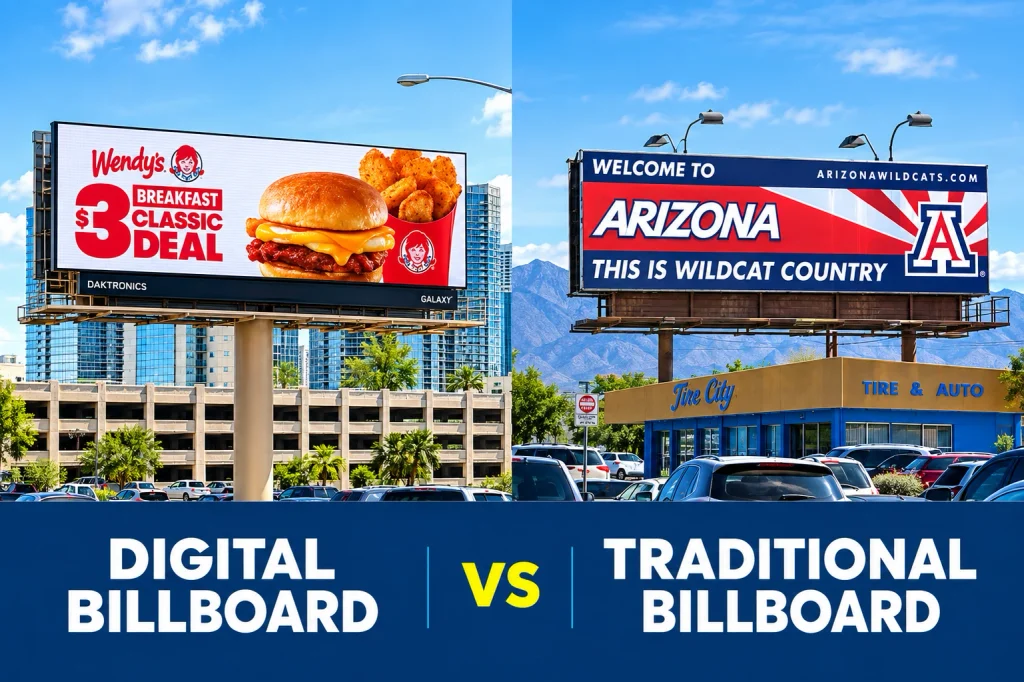
In addition, it offers unprecedented control over who sees your message. Unlike traditional billboards, digital advertising allows you to target specific demographics, interests, and behaviors. As a result, your marketing budget is spent much more efficiently.
How Online Marketing Differs from Traditional Methods
Historically, companies relied on print ads, television commercials, and direct mail to acquire customers. However, these traditional methods lacked precise targeting and real-time tracking capabilities. You simply broadcasted a message and hoped the right people saw it.
Conversely, modern online marketing strategies prioritize data and analytics. For instance, you can see exactly how many people clicked your ad, read your blog, or purchased a product. Therefore, you can continuously optimize your campaigns based on hard data rather than guesswork.
Core Components of a Successful Strategy
Building a robust online presence requires a multi-faceted approach. Specifically, successful brands combine several digital marketing channels to create a cohesive customer journey. Let’s explore the most critical components you need to integrate into your playbook.
Search Engine Optimization (SEO)
Search Engine Optimization (SEO) is the art and science of ranking your website higher in search engine results pages. Consequently, this increases the quantity and quality of organic traffic to your site. SEO involves optimizing your website’s technical structure, content relevance, and link popularity.
Furthermore, algorithms are constantly evolving to provide users with the most helpful answers. Therefore, you must focus on creating high-quality, authoritative content that satisfies user intent. When you optimize effectively, search engines reward your site with premium visibility.
Content Marketing
Content marketing focuses on creating and distributing valuable, relevant, and consistent content. Ultimately, the goal is to attract and retain a clearly defined audience. Rather than pitching your products directly, you provide genuinely useful information to your prospects.
For example, a software company might publish an exhaustive guide on data security. Consequently, readers begin to trust the brand’s expertise and are more likely to purchase their software later. Good content is the fuel that powers all your other digital marketing efforts.
Social Media Marketing
Social media platforms are powerful arenas for building brand awareness and engaging directly with your community. Additionally, these networks offer highly sophisticated advertising tools that allow you to reach niche audiences. Social media marketing involves publishing great content, listening to your followers, and analyzing your results.
Moreover, it provides a two-way communication channel between you and your buyers. Therefore, you can gather real-time feedback, address customer service inquiries, and foster fierce brand loyalty.
Choosing the Right Platforms
Not all social networks are created equal, and your business does not need to be on every platform. For instance, a B2B tech startup will likely find the most success on LinkedIn. Conversely, a direct-to-consumer fashion brand should focus heavily on visual platforms like Instagram and TikTok.
Therefore, you must deeply understand your target demographic before investing time and resources into a specific channel. Afterward, you can tailor your messaging to fit the unique culture and format of that chosen network.
Pay-Per-Click (PPC) Advertising
Pay-Per-Click (PPC) is a model of internet marketing where advertisers pay a fee each time one of their ads is clicked. Essentially, it is a way of buying visits to your site rather than earning those visits organically. Google Ads is currently the most popular PPC advertising system in the world.
Furthermore, PPC provides immediate visibility and highly measurable results. If you need to drive traffic to a new landing page quickly, PPC is often the fastest route. However, it requires careful budget management and continuous A/B testing to ensure a profitable return on investment.
Email Marketing
Despite the rise of new platforms, email marketing remains one of the most effective ways to communicate with your audience. Specifically, it allows you to nurture leads, announce new products, and re-engage dormant customers. Because you own your email list, you are not subject to the sudden algorithm changes of social networks.
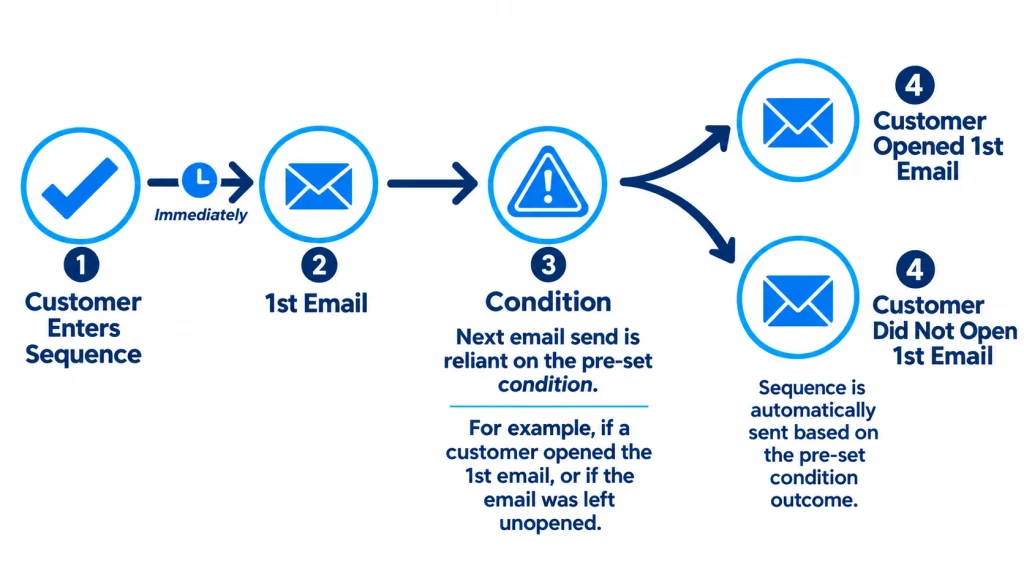
Additionally, modern email platforms allow for complex automation and personalization. For example, you can set up a welcome sequence that automatically triggers when a user downloads a specific resource. Consequently, this delivers the right message to the right person at the exact right time.
Why Digital Marketing is Essential for Modern Businesses
The digital landscape is fiercely competitive, but it also offers incredible opportunities for brands of all sizes. Therefore, ignoring digital marketing means leaving substantial revenue on the table. Let’s break down exactly why these online strategies are non-negotiable for business growth today.
Cost-Effectiveness and High ROI
Traditional advertising formats like television and radio require massive upfront investments. However, digital channels allow you to start small, test your messaging, and scale up only when you see positive results. This makes digital marketing highly accessible for startups and small businesses with tight budgets.
Furthermore, the return on investment (ROI) is generally much higher because of precise targeting. [Internal Link Suggestion: Link to a post like “How to Calculate Your Marketing ROI” with the anchor text “maximizing your marketing ROI”.] Ultimately, you stop wasting money serving ads to people who have no interest in your industry.
Advanced Targeting and Analytics
Perhaps the most significant advantage of online marketing is the sheer volume of actionable data it generates. For instance, you can track exact user demographics, site behavior, conversion paths, and bounce rates. Consequently, you can pinpoint exactly where you are losing potential customers in the sales funnel.
Additionally, retargeting allows you to serve ads specifically to people who have already visited your website. This repeated exposure dramatically increases the likelihood of a final conversion. [External Link: According to a recent benchmark report by HubSpot (insert link), targeted digital campaigns can increase conversion rates by over 200%.]
How to Build Your First Digital Marketing Campaign
Starting your first campaign can feel overwhelming due to the sheer number of available tactics. However, a structured approach will help you cut through the noise and achieve measurable results. Follow these sequential steps to launch a successful online initiative.
Define Your Target Audience
Before you write a single piece of copy, you must know exactly who you are speaking to. Therefore, you should create detailed buyer personas that outline your ideal customer’s demographics, pain points, and online habits. Without this foundation, your digital marketing efforts will lack focus and effectiveness.
For example, ask yourself what problems your product solves and who desperately needs that solution. Consequently, your messaging will resonate much more deeply with the people who encounter your brand online.
Set Measurable Goals
Every campaign needs a clear, quantifiable objective to determine its success or failure. Furthermore, vague goals like “get more followers” are practically useless for driving real business growth. Instead, you must set SMART goals: Specific, Measurable, Achievable, Relevant, and Time-bound.
For instance, a great goal would be “increase organic website traffic by 20% over the next quarter.” Ultimately, having a concrete target dictates which digital marketing channels and tactics you should prioritize.
Select Your Digital Channels
Once you know your audience and your goals, you can choose the best platforms to deliver your message. For instance, if your goal is immediate lead generation, a Google Ads PPC campaign might be the best choice. Conversely, if you want long-term brand authority, investing heavily in SEO and content is the wiser path.
Additionally, it is crucial not to spread yourself too thin across too many platforms simultaneously. Start with one or two primary channels, master them, and then gradually expand your digital marketing footprint.

Essential Tools for Digital Marketing Success
To execute these strategies efficiently, you need the right technology stack at your disposal. Fortunately, the market is flooded with powerful software designed to automate and optimize your workflows. Let’s look at a few categories of essential tools every marketer needs.
First, you absolutely need a robust analytics platform like Google Analytics to track your website traffic and user behavior. Second, an SEO tool such as Ahrefs or SEMrush is vital for keyword research and competitive analysis. [Internal Link Suggestion: Link to a post like “Top 10 SEO Tools for Beginners” with the anchor text “choosing the right SEO software”.]
Furthermore, a Customer Relationship Management (CRM) system like Salesforce or HubSpot helps you manage your leads and email lists seamlessly. Finally, social media scheduling tools like Hootsuite or Buffer allow you to plan and publish your content across multiple platforms automatically. Consequently, these tools save you countless hours and improve your overall campaign precision.
Future Trends in Digital Advertising
The world of digital marketing is inherently fast-paced and constantly evolving. Therefore, staying ahead of emerging trends is the only way to maintain a competitive edge. One massive shift we are seeing right now is the integration of Artificial Intelligence (AI) into marketing workflows.
For example, AI is being used to write initial content drafts, personalize website experiences, and optimize ad bidding in real-time. Additionally, voice search optimization is becoming critical as more consumers rely on smart speakers and virtual assistants to find information. Ultimately, the brands that embrace these new digital marketing technologies will dominate their respective industries in the coming years.
Conclusion: Start Your Digital Marketing Journey Today
In summary, establishing a strong online presence is no longer optional; it is the lifeblood of modern commerce. From search engine optimization and rich content creation to highly targeted PPC and social media campaigns, the digital landscape offers endless growth opportunities. Therefore, mastering digital marketing allows you to connect with your ideal audience precisely when they are ready to engage.
By defining your audience, setting strict goals, and utilizing the right analytical tools, you can build campaigns that deliver measurable, scalable results. The internet moves fast, but with a solid foundation, your business can adapt and thrive. Now is the perfect time to optimize your strategy and take your digital marketing to the next level.
Call to Action:
Ready to transform your online presence and dominate your industry? Leave a comment below with your biggest marketing challenge, or [Contact Our Team] today for a free, customized digital strategy audit!