AI Chatbots for Small Business: How to Automate Customer Questions 24/7
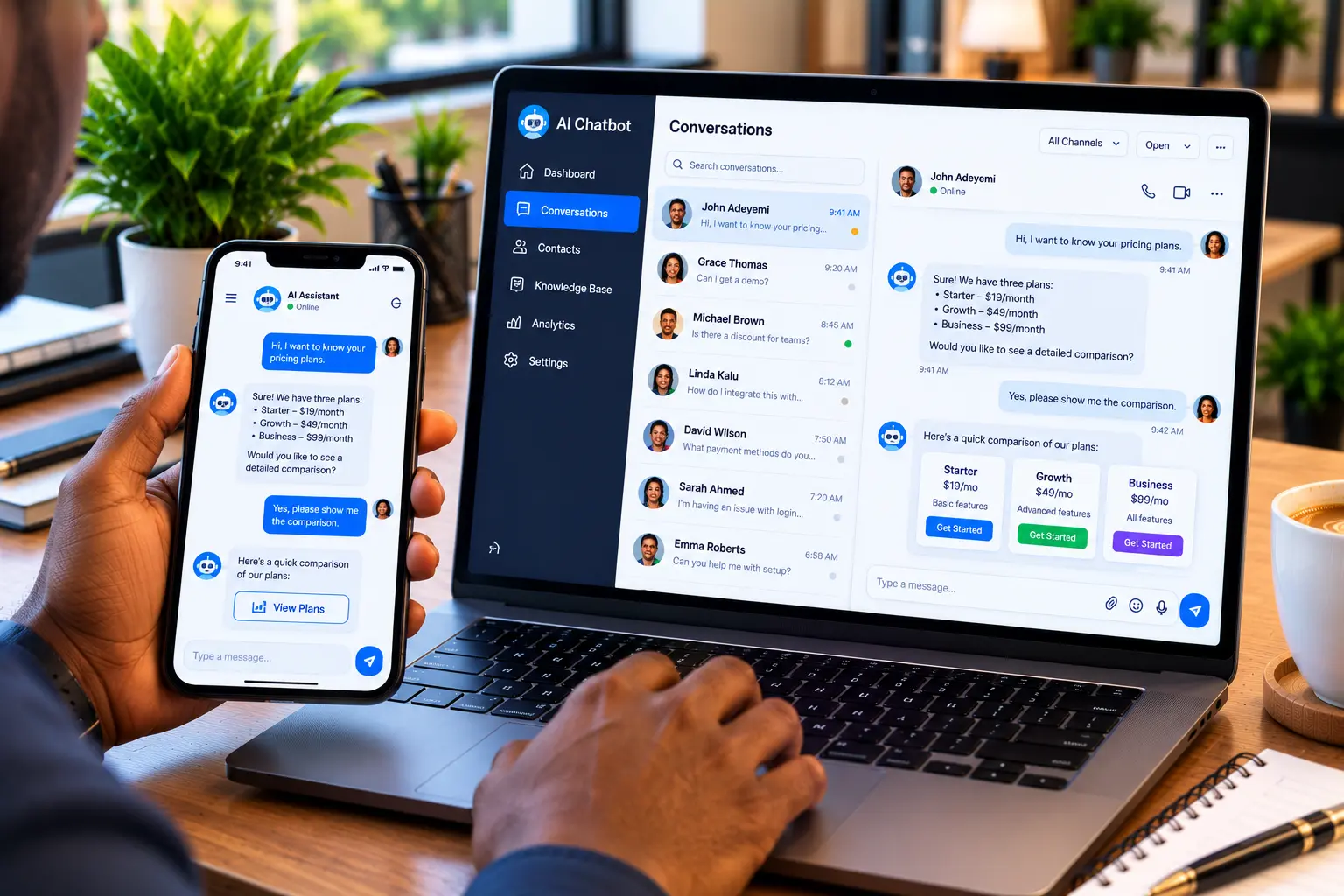
Managing incoming inquiries around the clock is one of the biggest operational hurdles for growing companies. Therefore, deploying ai chatbots for small business operations has transformed from a luxury into an absolute necessity. Modern consumers expect instant answers, regardless of the time of day. However, hiring a full-time support team to cover night shifts is rarely financially viable for independent enterprises.
Fortunately, advancements in artificial intelligence make it remarkably easy to deploy automated virtual assistants. These tools handle routine questions, capture qualified leads, and resolve customer complaints without requiring constant human intervention. Consequently, owners can reclaim precious hours and focus on scaling their core operations.
Why Modern Enterprises Need Conversational AI
Running a lean operation means every minute and every dollar counts. Traditional customer service models often bottleneck growth because human agents manage only one conversation at a time. In contrast, intelligent automation scales instantly.
According to a Tidio Customer Service Report, businesses utilizing support automation can reduce customer service costs by up to 30%. Furthermore, studies show that nearly 74% of internet users prefer interacting with digital assistants for quick, simple questions. When you implement these systems correctly, your brand stays responsive and competitive around the clock.
You may also like :
AI Content Automation: From Ideas to Published Posts,
Ai Customer Follow Up Automation: Never Miss a Lead Again
Key Benefits of Deploying Automated Support Systems
Integrating smart virtual assistants into your digital ecosystem yields immediate, measurable advantages. Let us explore the core benefits that drive high return on investment.
Immediate Response Times Around the Clock
Speed is everything in modern digital commerce. If a prospective buyer visits your website at midnight and cannot find pricing details, they will likely bounce to a competitor. However, conversational agents eliminate waiting times entirely. In fact, research indicates that over 60% of consumers appreciate instant answers and feel more favorable toward brands offering 24/7 availability.
Seamless Lead Capture and Qualification
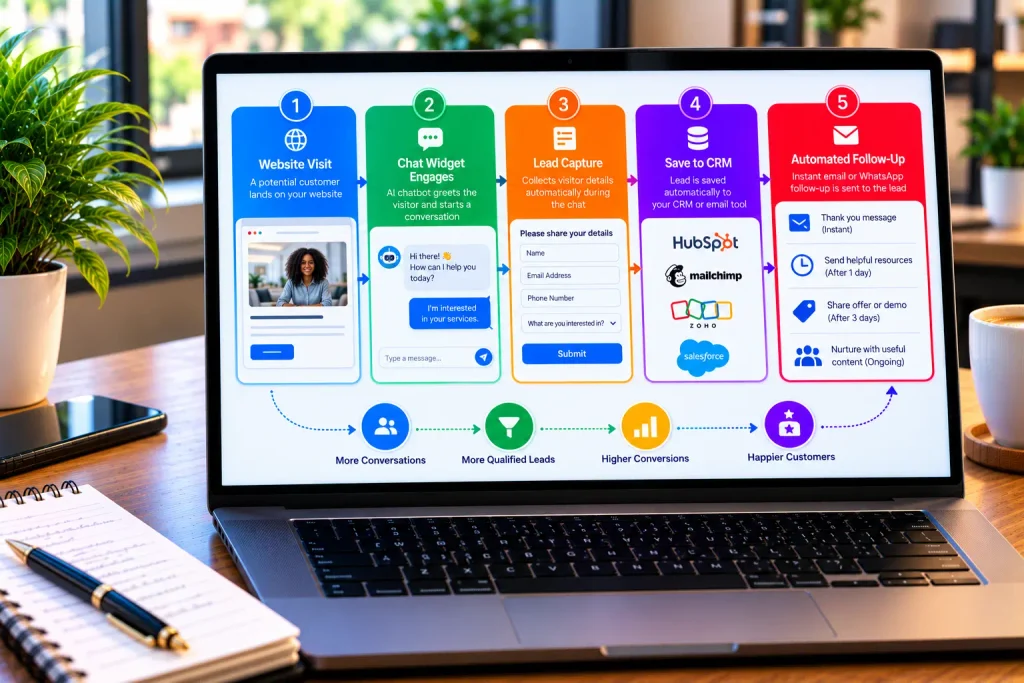
Beyond answering basic FAQs, virtual assistants act as tireless digital sales reps. As visitors browse your landing pages, the system can proactively ask engaging questions, collect email addresses, and assess buyer intent. For more insights on scaling this process, check out our guide on AI lead generation for small business. Consequently, your sales pipeline stays full of pre-qualified prospects.
How to Choose the Right Software for Your Brand
Selecting the correct platform requires careful evaluation of your unique workflow requirements. Not all software options offer the same level of sophistication or integration capabilities.
Evaluate Integration Capabilities
Your virtual assistant must connect smoothly with your existing tech stack. Whether you use WordPress, Shopify, or a custom CRM, data synchronization is vital. For deeper technical strategies, review our breakdown of AI workflow for small business optimization. Therefore, always verify that your chosen vendor provides robust API connections or native plugins.
Prioritize User-Friendly Setup
Small business owners rarely have weeks to spend on complex coding configurations. Therefore, look for no-code or low-code builders with intuitive drag-and-drop interfaces. Pre-built templates for common industries—such as retail, real estate, or professional services—can save you considerable time during initial deployment.

Best Practices for Successful Implementation
Deploying your virtual assistant is only the first step toward true operational efficiency. To maximize engagement, you must optimize the conversational flow continuously.
Design a Clean Human Handoff Protocol
While automation handles routine queries brilliantly, complex or emotional complaints require a human touch. According to recent customer experience benchmarks, nearly 89% of consumers still want an easy option to escalate conversations to a live representative. Therefore, configure your bot to transfer chats smoothly whenever a user expresses frustration or asks intricate questions.
You may also like :
https://chatspark.io/blog/ai-chatbots-for-small-business-benefits-use-cases-examples
https://techgreenhub.com/ai-chatbots-for-small-business/
Train Your Bot on Quality Knowledge Bases
Garbage in equals garbage out. If your virtual assistant feeds on outdated product manuals or vague FAQ pages, it will provide inaccurate answers. Regularly update its training data with fresh product specifications, shipping policies, and pricing tiers.
Conclusion and Next Steps
Ultimately, integrating intelligent conversational tools allows independent brands to punch above their weight class. By providing instant resolutions, capturing valuable leads, and cutting overhead costs, these systems secure a high return on investment. Embracing ai chatbots for small business success ensures your brand remains resilient, customer-focused, and ready for continuous growth in a 24/7 digital economy.
Ready to transform your customer support and start saving time? Drop a comment below with your biggest operational challenge, or contact our team today to schedule a personalized workflow consultation!