
How to Edit Copywriting Like a Professional: A Practical Checklist
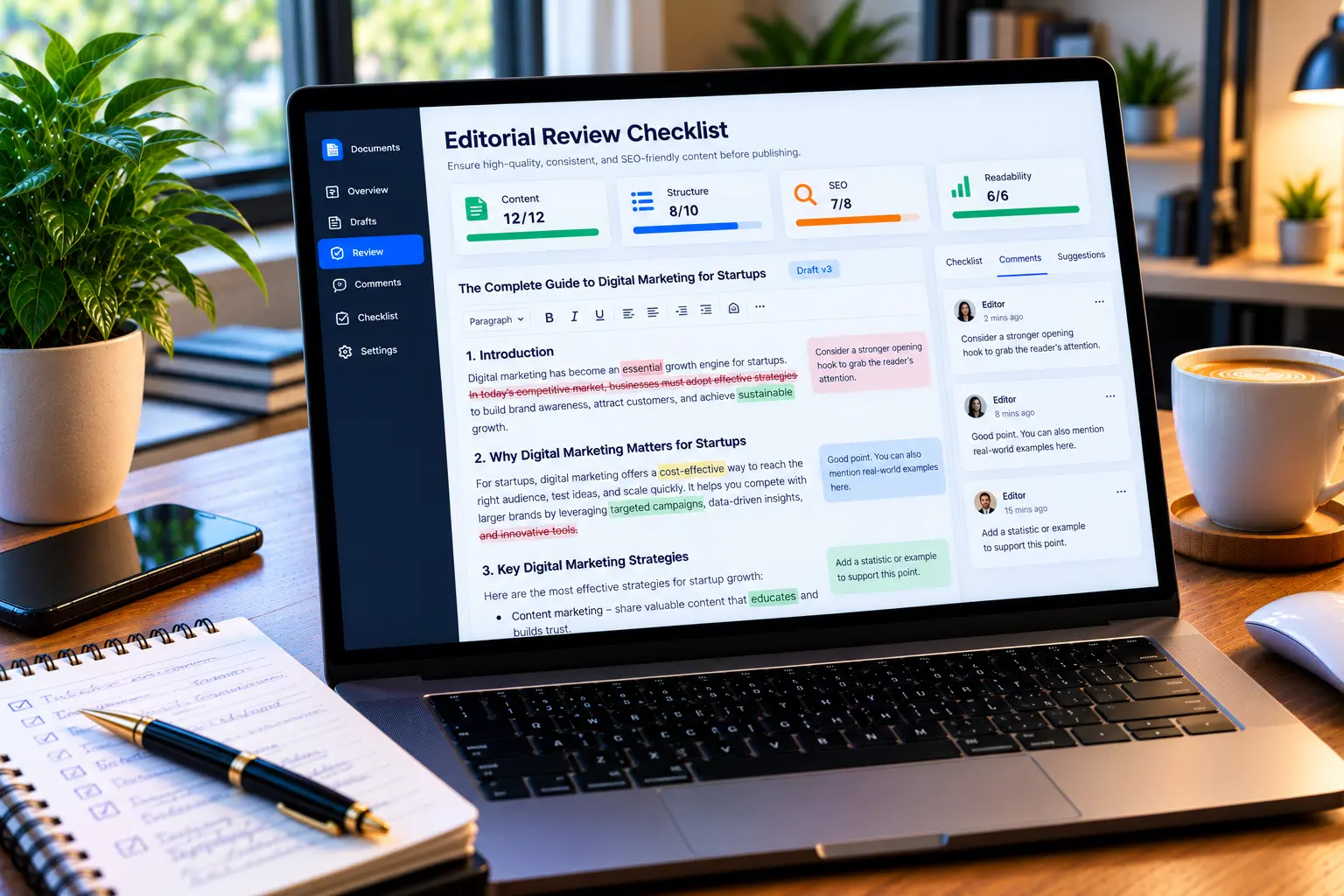
Learning how to edit copywriting like an experienced professional is the ultimate digital skill required to transform rough drafts into high-converting tech content. Every single day, thousands of marketers rush their first drafts straight to publication, leaving behind clunky sentences, passive voice, and weak hooks. Therefore, you must master how to edit copywriting using a structured checklist that ensures clarity, active engagement, and maximum readability.
Ultimately, writing great digital content is only half the battle; the real magic happens during the revision process. For instance, a rigorous editing pass cuts out unnecessary fluff and sharpens your core value proposition. In this comprehensive guide, we will explore the core principles of how to edit copywriting for modern technology operators.
Furthermore, we will break down the exact frameworks top editors use to polish web pages, ads, and emails. As a result, you will leave with a practical review checklist to transform your drafts into polished, high-performing assets.
What Exactly Is Professional Copy Editing?
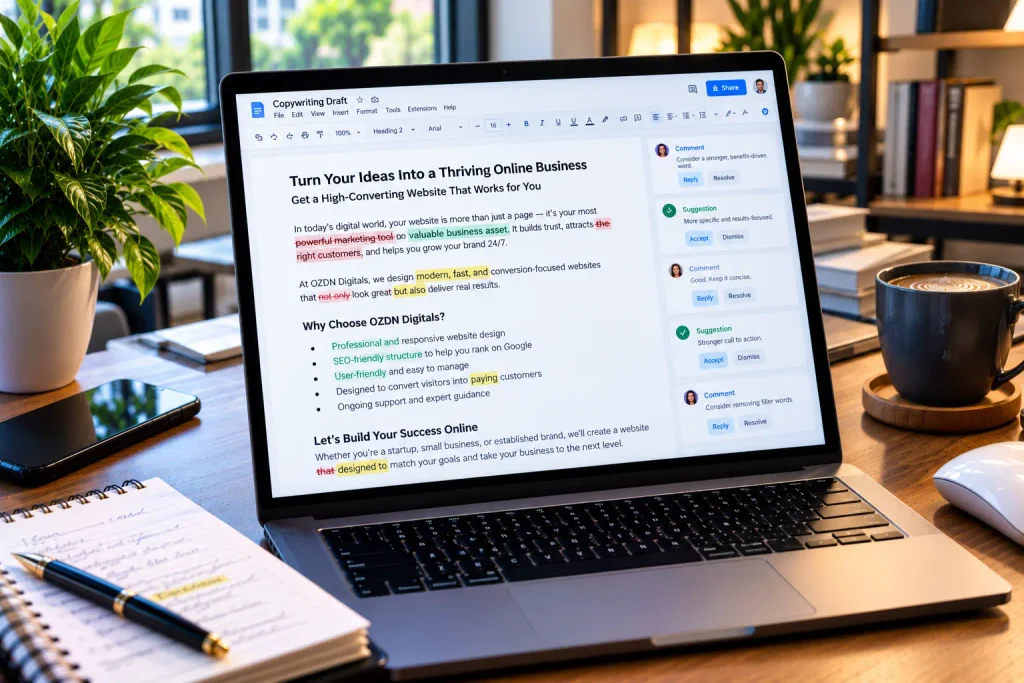
How to edit copywriting involves systematically reviewing, cutting, and refining marketing text to maximize clarity, persuasion, and search engine optimization. Specifically, it is the art of transforming a messy first draft into a streamlined, high-converting masterpiece. Consequently, the editorial choices you make must address customer skepticism, eliminate jargon, and prove value immediately.
Unlike creative fiction editing, commercial editing requires immense discipline and a relentless focus on the reader’s needs. Because your target clients browse cautiously, you only have milliseconds to convince them that your brand is clear and legitimate. Therefore, every single sentence must serve a distinct purpose in your overall conversion narrative.
In addition, successful editing always blends structural checks with micro-level grammar polishing. Naturally, nobody visits a software website hoping to read confusing sentences or passive filler phrases. Instead, they want immediate clarity, relatable use cases, or transparent answers to common industry objections.
Why a Systematic Editing Checklist Matters
First, online buyer attention spans are shorter and editorial standards are higher than ever before. [External Link Suggestion: Link to a reputable source like the Nielsen Norman Group reporting on online reading habits and the importance of clear web copy.] As a result, modern tech businesses cannot rely on unedited first drafts to generate revenue. Furthermore, search engines constantly prioritize clean, highly readable content that satisfies user intent without friction.
Second, a great editing process directly impacts your conversion rate and brand authority. For example, a well-polished landing page will lower visitor bounce rates significantly. Consequently, mastering how to edit copywriting allows you to maximize the value of every single visitor hitting your site.
Moreover, systematic editing builds long-term brand equity from day one. When you consistently publish error-free, punchy content, clients begin to trust your tech startup deeply. Ultimately, precision is the primary currency that turns casual browsers into high-value contracts.
4 Core Phases of the Copywriting Editing Checklist
1. The Structural Pass: Checking Flow and Strategy
First and foremost, you cannot fix minor grammar issues before verifying that your overall content structure makes logical sense. Therefore, you must evaluate whether your headline, subheadings, and call to action flow together seamlessly. For example, check if your opening hook directly connects to the main problem solved by your software.
Consequently, take the time to reorganize sections that feel repetitive or misplaced. Ultimately, how to edit copywriting becomes much easier when your foundational narrative is rock-solid.

2. The Clarity Pass: Eliminating Jargon and Fluff
Because clients want instant answers, you must ruthlessly cut corporate buzzwords and confusing technical jargon from your draft. Specifically, replace passive verbs with active voice and trim bloated sentences down to their core meaning. For instance, changing “Software optimization is facilitated by our platform” to “Our platform optimizes your software” instantly boosts readability.
Moreover, formatting plays a massive role in how your revised text is perceived by readers. Therefore, try using bold text on key phrases to make your edited copy visually distinct. Indeed, if your text remains cluttered, your conversion rates will suffer.
3. The SEO and Readability Pass: Checking Density and Flow
When you want to ensure your content ranks well, you must verify keyword usage, heading tags, and sentence length. Specifically, check that your keyphrase appears naturally without sounding forced.
Furthermore, ensure your transition words guide the reader smoothly from one paragraph to the next. Ultimately, optimizing readability keeps search bots and human buyers happy.
4. The Final Proofread: Catching Typos and Micro-Errors
Finally, never publish a draft without conducting a final, meticulous proofread for spelling mistakes and punctuation slips. Instead, ethically guide your review through a fresh pair of eyes or text-to-speech tools to catch hidden errors.
For example, listen to your draft read aloud to spot awkward cadence. Consequently, a final proofread increases output quality without sacrificing brand integrity.
You might also like :
How to Write Engaging Blog Post Content That Keeps Readers Coming Back,
AI Content Automation: From Ideas to Published Posts
Practical Ways to Optimize Your Editing Workflow
1. Optimizing Service Pages Through Strategic Cutting
Service pages must be concise and persuasive to convert traffic into leads. Therefore, you must combine strategic cutting with powerful value statements during your revision pass.
Specifically, ensure your service headers include relevant semantic variations like “professional code auditing” or “streamlined software deployment consulting.” Consequently, this strategy improves your search engine visibility while helping human buyers find what they need faster.
2. Crafting Scannable Edited Copy
Skeptical executives rarely read every single word on a website; instead, they scan headings and bullet points. Therefore, format your how to edit copywriting revisions with short paragraphs, bold text, and clean bulleted lists.
First, place your most compelling benefit in the very first sentence above the fold. Next, use subheadings to separate technical capabilities from business outcomes. As a result, your page remains easy to digest on both desktop and mobile devices.
3. Leveraging Formatting for Active Voice
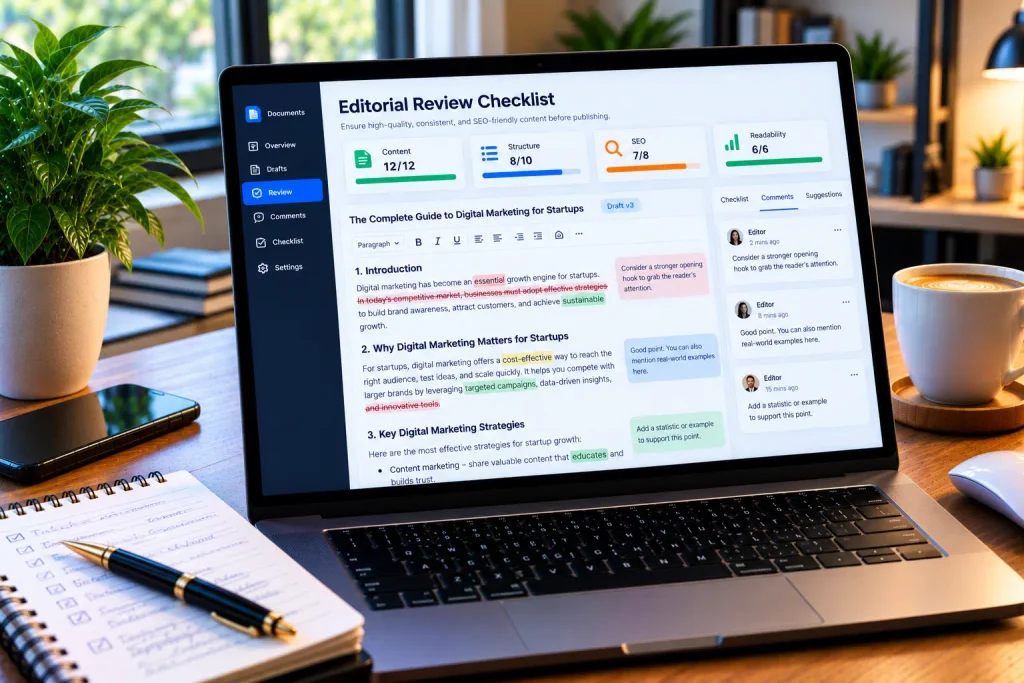
Search guidelines and readability checkers heavily reward active voice over passive constructions. Therefore, use your editing pass to convert passive statements into direct, action-oriented sentences.
Specifically, ensure at least 80% of your sentences use active voice. Furthermore, this practice improves engagement and keeps your narrative energetic.
You may also like :
https://unio.digital/blog/ai-automation-examples-small-business
4. Writing Microcopy That Passes the Clarity Test
Every tiny piece of text around your conversion buttons plays a massive role in closing deals. Specifically, use your editing checklist to review button labels, tooltips, and form hints for absolute clarity.
For instance, testing alternative button microcopy during your revision pass can quickly reveal clearer options. Ultimately, thoughtful editing creates a frictionless conversion journey for cautious buyers.
Common Mistakes to Avoid During the Editing Process
1. Editing While You Write Your First Draft
First, many marketers make the mistake of trying to polish every sentence while writing their initial draft. Because this destroys your creative momentum and causes writer’s block, separate drafting from editing entirely. Therefore, always write freely first, and edit during a separate dedicated session.
2. Ignoring Readability and Paragraph Length
Second, leaving massive walls of unbroken text unchecked ruins both your SEO metrics and your user experience. Always break your paragraphs down to a maximum of two or three short sentences during your review pass.
3. Forgetting to Check Your Target Keyphrase Density
Finally, never assume your keyphrase is evenly distributed without checking. Always review your exact keyphrase frequency to ensure it hits the target range without crossing into keyword stuffing.
Conclusion: Start Polishing Your Content Like a Pro Today
In summary, turning rough drafts into high-converting masterpieces requires a disciplined, multi-step revision process. Mastering how to edit copywriting means evaluating structure, eliminating fluff, optimizing for readability, and catching micro-errors before publication. Furthermore, structuring your web pages for scannability and impact will drastically improve your overall conversion rates.
Ultimately, writing great digital content is an ongoing process of testing, learning, and refining your editorial workflow. By following the strategies outlined in this guide, you can begin transforming your marketing drafts into polished revenue engines. Now is the perfect time to elevate your digital strategy and use how to edit copywriting principles to achieve rapid market growth.
Ready to turn your rough drafts into professionally edited sales machines? Drop a comment below sharing your biggest editing challenge, or share this guide with a fellow tech founder who needs a polish boost!