
Learning how to write SEO-friendly content is arguably the most valuable skill for any modern digital marketer or freelance writer. Many beginners assume that randomly stuffing target keywords into a blog post automatically guarantees top search engine results. However, modern search algorithms demand high-quality, highly engaging material that genuinely helps the reader. Therefore, you must carefully master the specific writing strategies that satisfy both human readers and complex search engine crawlers. By strictly following this comprehensive step-by-step guide, you will consistently attract massive organic traffic to your tech blog or business website.
In today’s hyper-competitive digital landscape, relying on luck simply does not work. Instead, you need a proven, repeatable framework to dominate the search engine results pages (SERPs). Fortunately, optimizing your articles for Google is not a mysterious, dark art. Consequently, anyone can learn how to write SEO-friendly content by applying a few foundational rules regarding structure, vocabulary, and user intent. Let us dive directly into the exact methods top-tier professionals use to rank their websites on page one.

Understanding How to Write SEO-Friendly Content Today
If you truly want to know how to write SEO-friendly content, you must first understand Google’s ultimate primary objective. Specifically, Google wants to provide the absolute most relevant, helpful answer to a user’s specific query as quickly as possible. Consequently, your writing must directly solve the reader’s immediate problem much faster and better than your competitors do. Gone are the days of robotic, awkwardly phrased articles designed solely for computer bots. Today, successful SEO content writing focuses heavily on search intent, empathy, and a flawless user experience.
Furthermore, search engines actively and aggressively penalize websites that publish thin, unhelpful, or copied text. Therefore, delivering massive, undeniable value is your absolute highest priority as a digital content creator. You must view every single blog post as an opportunity to build deep trust with a brand-new audience member. Ultimately, when you prioritize the reader’s needs first, the search engine algorithms will naturally reward your hard work with higher visibility.
The True Value of Search Engine Optimization
Search engine optimization simply ensures your brilliant, well-researched writing actually gets discovered by real people. You can easily craft the most eloquent, insightful essay in the world, but without proper formatting, nobody will ever find it. Thus, you must seamlessly blend your natural creativity with strict, proven technical SEO guidelines.
Moreover, mastering this delicate balance is the true secret to long-term digital business success. When you figure out how to write SEO-friendly content consistently, you build a compounding digital asset. Specifically, one well-optimized article can actively generate passive leads and steady income for many years after you publish it.
Step 1: Conduct Thorough Keyword Research First
You absolutely cannot learn how to write SEO-friendly content without conducting proper keyword research before you type a single word. Before you ever draft an outline, you must know exactly what your target audience is actively searching for online. Fortunately, various powerful, accessible tools can instantly reveal these highly popular search phrases to you. For example, platforms like Ahrefs, SEMrush, or Ubersuggest highlight specific user queries alongside their estimated monthly search volumes.
First, you should confidently identify a primary target keyphrase that boasts decent search traffic but relatively low competition. Next, you must carefully gather three to four semantic variations to sprinkle naturally throughout your upcoming draft. Identifying these secondary keywords helps Google fully understand the broader context of your specific article.
Matching Search Intent Perfectly :
Content Writing for Beginners: The Ultimate Tech Guide,
What Is Digital Marketing? A Complete Guide to Online Growth
Matching Search Intent Perfectly
Finding a mathematically great keyword is strictly only half of the initial SEO battle. Furthermore, you must deeply and critically analyze the underlying search intent behind that specific user phrase. Are these particular users looking to purchase a tech product, or do they simply want a quick, free informational tutorial?
If you completely misunderstand the user’s search intent, your article will never rank on Google’s highly coveted first page. Therefore, always manually analyze the current top-ranking pages for your chosen keyword before outlining your draft. Take careful, detailed notes of their exact formatting, overall word count, and primary arguments.
Step 2: Structure Your Article with Clear Headings
Proper formatting structure is incredibly critical when you practice how to write SEO-friendly content effectively. Web readers notoriously possess very short attention spans and rarely consume every single word on a page from start to finish. Instead, they aggressively scan the webpage looking for specific, highly relevant information. Consequently, your structural headings must serve as a clear, highly visible roadmap for the hurried reader.
You must rigorously use exactly one H1 tag per page, which always serves as your main, overarching title. Following that, you should strategically break your core ideas down into logical, easy-to-read H2 subheadings. Additionally, use smaller H3 and H4 tags to carefully organize any supporting points within those main H2 sections.
The SEO Value of Proper Formatting
Search engine crawlers rely heavily on these specific HTML heading tags to fully understand your overall topic hierarchy. Therefore, including your exact target keyphrase naturally within at least one H2 is an incredibly beneficial ranking signal. Furthermore, utilizing bulleted lists, numbered steps, and bold text makes your dense information significantly easier to digest rapidly.
Whenever you figure out how to write SEO-friendly content, you must always prioritize the mobile reading experience. A massive, unbroken block of text looks incredibly intimidating and frustrating on a small smartphone screen. Thus, you should strictly keep your paragraphs to a strict maximum of two or three short, punchy sentences.
Step 3: Optimize Your Meta Descriptions and Title Tags
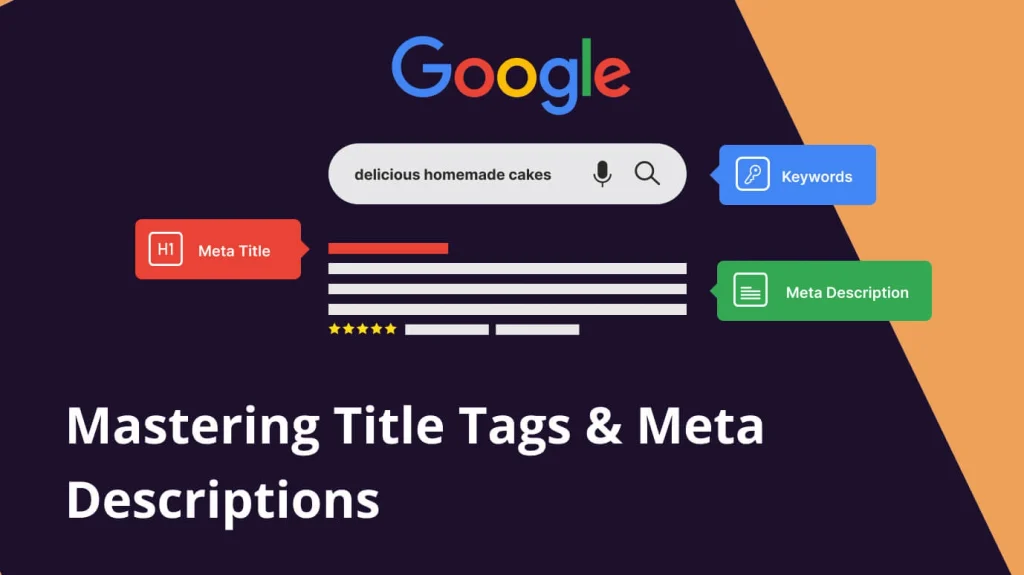
Your title tag and meta description are often your absolute first impression within the crowded search engine results pages. If you desperately want to know how to write SEO-friendly content that generates massive clicks, you must optimize these two elements perfectly. Even if you secure the number one ranking spot, a boring, uninspired title will completely ruin your click-through rate.
Your official SEO title must include your primary target keyphrase as close to the very beginning as humanly possible. Additionally, you should deliberately keep the title length between fifty and sixty characters to permanently prevent awkward truncation. Using odd numbers, strong emotional trigger words, or strategic brackets can significantly boost your overall audience engagement.
Crafting Compelling Meta Descriptions
Similarly, your meta description acts as a short, highly persuasive sales pitch for your entire article. While Google occasionally rewrites these descriptions automatically, providing a highly optimized summary is always the best professional practice. Specifically, keep your meta description cleanly under 156 characters and always include a clear, enticing call to action.
Most importantly, strictly ensure your meta description accurately reflects the actual, factual page content. If you falsely promise a step-by-step tech tutorial but simply deliver a generic opinion piece, visitors will immediately bounce away. Consequently, high bounce rates actively and swiftly destroy your hard-earned search engine rankings over time.
Step 4: Write for Humans First, Algorithms Second
Many eager beginners make the massive, tragic mistake of writing exclusively for search engine bots instead of real people. However, truly mastering how to write SEO-friendly content means always prioritizing your human readers above all else. If human readers genuinely love and share your material, search engines will naturally reward you with higher permanent placements.
Transition words are absolutely essential for constantly maintaining a smooth, highly conversational flow throughout your text. Words like “however,” “furthermore,” “consequently,” and “specifically” guide your reader effortlessly from one complex concept to the next. In addition, strictly using active voice ensures your sentences remain punchy, direct, and highly engaging from beginning to end.
Mastering Keyword Density
You definitely need to include your primary target keyphrase to signal topical relevance to the algorithm. However, you must actively avoid the outdated practice of “keyword stuffing” at all absolute costs. Generally, you should precisely aim to use your exact keyphrase about three to five times for every 300 words you write.
If you constantly and awkwardly force the phrase “how to write SEO-friendly content” into every single sentence, your text will sound completely robotic. Instead, rely heavily on semantic variations and natural synonyms to deeply build your overall topical authority. Ultimately, modern natural language processing algorithms are incredibly smart enough to understand the broader, underlying context of your specific words.
Step 5: Leverage Strategic Internal and External Links
Strategic linking is a fundamental, non-negotiable pillar of understanding how to write SEO-friendly content successfully. Both internal and external hyperlinks help search engines fully understand the broader digital ecosystem of your entire website. Without a strong, deliberate linking strategy, your individual articles will remain isolated, disconnected, and virtually invisible online.
First, you must consistently link directly to other highly relevant posts previously published on your own website. Internal linking effectively passes valuable domain authority from your most popular pages directly to your newer, unproven articles. Furthermore, it strongly encourages curious visitors to remain on your site significantly longer, which actively signals high quality to Google.
Building Trust with Outbound Links
Additionally, you should regularly and confidently link out to highly authoritative, external industry sources. For instance, linking to credible, massive industry studies definitively proves that your claims are thoroughly researched and strictly factual.
Always use highly descriptive, context-rich anchor text when physically placing these hyperlinks into your draft. Instead of lazily writing “click here,” use descriptive phrases that tell the reader exactly what specific information to expect. Ultimately, a well-structured web of intelligent links instantly turns a simple blog post into a highly valuable, trusted resource hub.
Step 6: Optimize Your Visual Assets and Images
Digital images play a surprisingly crucial, often-overlooked role in modern search engine optimization strategies. Fully grasping how to write SEO-friendly content also fundamentally involves mastering the optimization of your visual assets. Large, bulky, unoptimized image files can drastically slow down your page loading speed, completely ruining the user experience.
First, always strictly compress your images using tools like TinyPNG or JPEGmini before formally uploading them to your server. A lightning-fast loading website is a definitively confirmed ranking factor for Google’s current mobile-first indexing algorithm. Next, you must manually rename your raw image files on your computer to explicitly include descriptive, relevant keywords instead of random default numbers.
Writing Effective Alt Text
Most importantly, you must carefully and thoroughly fill out the alternative (alt) text description for every single image you upload. Alt text clearly describes the visual content for visually impaired users who rely heavily on digital screen readers. Furthermore, search engine image crawlers actively read this hidden text to understand the exact context of your uploaded pictures.
Therefore, you should naturally weave your primary keyphrase or semantic variations directly into your alt descriptions. For example, describe the image accurately while seamlessly inserting related terms like “SEO writing for beginners” or “content marketing.” Consequently, you can actually generate massive amounts of bonus organic traffic directly from Google Image Search alone.
Step 7: Update and Maintain Your Content Regularly
Clicking the publish button is merely the very first step in your long-term digital marketing journey. If you truly want to know how to write SEO-friendly content, you must fully embrace ongoing, proactive content maintenance. The internet evolves incredibly fast, and published information quickly becomes heavily outdated and entirely useless to readers.
Therefore, you should strictly audit your top-performing blog posts at least once every single year. Update any old statistics, fix newly broken links, and drastically refresh your examples to reflect current, modern industry standards. Google absolutely loves fresh, highly updated content and routinely boosts recently revised articles back to the top of the SERPs.
Monitoring Your Analytics
Furthermore, you must actively and obsessively track your specific keyword rankings using free tools like Google Search Console. If a great article mysteriously stalls on the second page of the search results, you likely need to take immediate action. Specifically, try expanding its total word count or adding more highly targeted H2 subheadings to increase its depth. Ultimately, successful search engine optimization is a continuous, never-ending process of strategic testing, careful monitoring, and aggressive refinement.
Conclusion: Start Dominating Search Results Today
Mastering the complex art of search engine optimization takes significant time, extreme patience, and daily, rigorous practice. However, learning exactly how to write SEO-friendly content is undeniably the absolute best time investment you can make for your digital business. By seamlessly combining technical, algorithm-friendly optimization with highly engaging, human-focused writing, you practically guarantee long-term, lucrative success.
Remember to routinely conduct deep keyword research, format your H2 headings perfectly, and naturally integrate your semantic keyword variations. Furthermore, prioritize ultra-short paragraphs, active voice phrasing, and smooth transition words to keep your human readers glued to the screen. You now possess the exact, proven blueprint required to thoroughly outrank your toughest digital competitors online.
When you consistently and fearlessly apply these proven techniques, your organic website traffic will inevitably skyrocket. Therefore, stop blindly guessing what Google algorithms want and start executing a strictly data-driven marketing strategy today. Now that you definitively know how to write SEO-friendly content, it is time to open a blank document and start typing your next masterpiece.
Are you ready to optimize your very first blog post? Leave a comment below with the primary target keyword you plan to rank for this week! Also, do not forget to actively share this comprehensive guide with your fellow writers, and subscribe to our newsletter for more weekly tech marketing strategies.